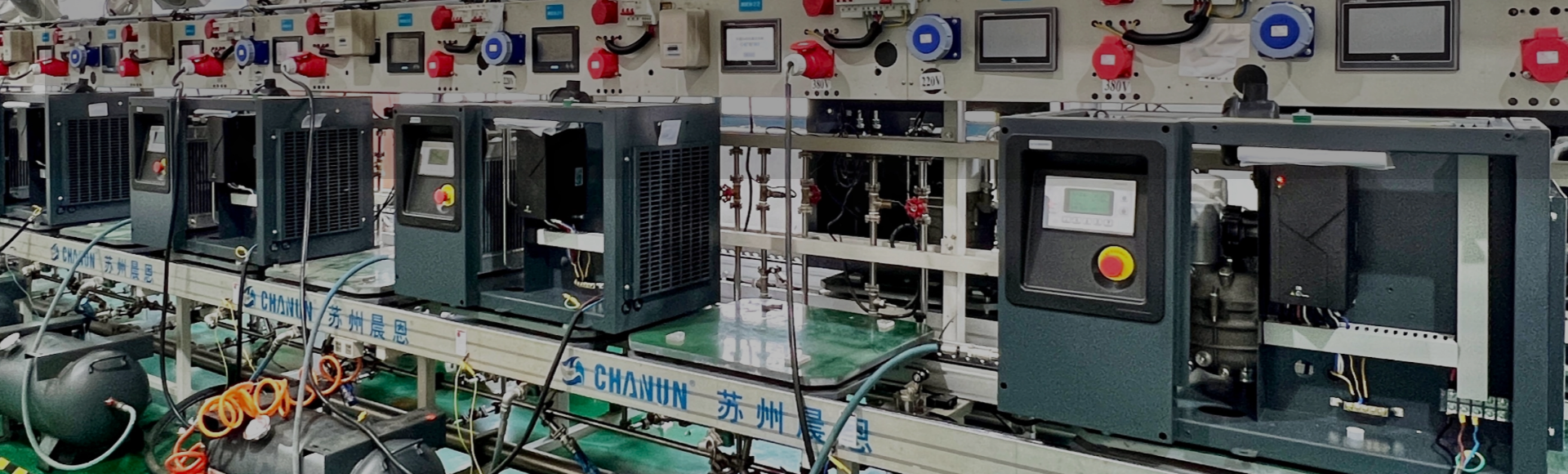

Screw Air Compressor: A Vital Component of Automotive Brake Systems
Release time:
2023-11-23
Introduction: Screw air compressors play a crucial role in the automotive industry, particularly in the brake systems of vehicles. Understanding their significance and functioning can help us appreciate their contribution to ensuring safe and efficient braking. In this article, we delve into the world of screw air compressors, exploring their role and importance within the realm of automotive brak
Screw air compressors play a crucial role in the automotive industry, particularly in the brake systems of vehicles. Understanding their significance and functioning can help us appreciate their contribution to ensuring safe and efficient braking. In this article, we delve into the world of screw air compressors, exploring their role and importance within the realm of automotive brake systems.
1. What is a Screw Air Compressor?
A screw air compressor is a mechanical device that converts power into potential energy stored in pressurized air. It accomplishes this by compressing atmospheric air using two rotating screws, called rotors, which trap and compress air into a smaller space. This compressed air is then used for various applications, including brake systems in the automotive industry.
2. Importance in Automotive Brake Systems:
In the context of automotive brake systems, screw air compressors are pivotal in ensuring reliable and efficient brake performance. They generate compressed air that powers various components within the braking mechanism, such as the air brakes found in heavy-duty vehicles or the air-assist brakes used in passenger cars.
3. How Screw Air Compressors Work in Brake Systems:
When the driver presses the brake pedal, a signal is sent to the screw air compressor, activating it to begin compressing air. The compressed air is then stored in the air reservoir, also known as an air tank. This stored air is subsequently released and directed to the brake chambers when the driver applies the brakes.
4. Benefits of Screw Air Compressors in Brake Systems:
Screw air compressors offer several advantages within automotive brake systems. Firstly, they provide consistent and reliable air pressure, contributing to consistent braking performance. Additionally, they allow for quick response times, ensuring rapid brake engagement and improved safety. Moreover, screw air compressors require minimal maintenance, enhancing their overall efficiency and longevity.
5. Future Developments in Screw Air Compressor Technology:
The automotive industry is continuously evolving, and so is the technology surrounding screw air compressors. Researchers and manufacturers are investing in advancements such as variable-speed compressors, which optimize energy consumption and improve overall efficiency. Additionally, efforts are being made to reduce noise emissions and enhance the compactness of these compressors.
In conclusion, screw air compressors are an integral part of the automotive industry, specifically within the brake systems of vehicles. Their role in generating and supplying compressed air ensures reliable and efficient braking. As technology advances, further improvements in screw air compressor design and functionality will continue to contribute to the safety and performance of automotive brake systems.
Related news


Service Hotline: 86 13862059949
CONTACT US
Address: No.58, Dongfu Road, Suzhou Industrial Park,Suzhou, jiangsu Province, China.
Tel: (+86) 0512-62529535
WhatsApp/Wechat: (+86) 13862059949
E-mail: jiaqi.wu@chanuncompressor.com
Copyright © CHANUN 2020 All rights reserved 苏ICP备08024400号-4
www.300.cn