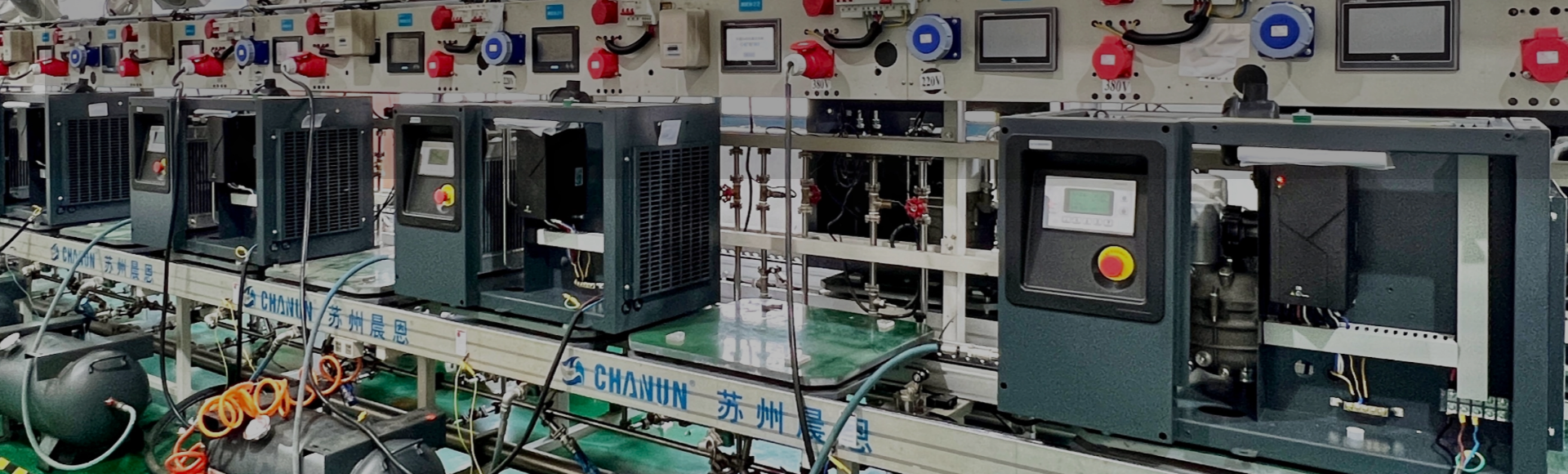

Why Your Workshop Needs a Screw Air Compressor for Optimal Performance
Release time:
2024-12-05
Why Your Workshop Needs a Screw Air Compressor for Optimal Performance Introduction to Screw Air Compressors Screw air compressors have revolutionized the way workshops operate by providing consistent and reliable compressed air. Unlike traditional piston compressors, screw compressors utilize a unique design that allows for continuous air delivery, making them an ideal choice for various applicat
Why Your Workshop Needs a Screw Air Compressor for Optimal Performance
Introduction to Screw Air Compressors
Screw air compressors have revolutionized the way workshops operate by providing consistent and reliable compressed air. Unlike traditional piston compressors, screw compressors utilize a unique design that allows for continuous air delivery, making them an ideal choice for various applications in automotive repair, manufacturing, and even woodworking.
Understanding the Advantages of Screw Air Compressors
In the realm of compressed air solutions, screw air compressors stand out for their numerous benefits. Here, we explore the key advantages that make them a vital addition to any workshop.
1. Enhanced Efficiency and Performance
Screw air compressors are designed to operate efficiently, providing a continuous supply of compressed air without fluctuations in pressure. This is crucial for applications that require steady airflow, ensuring that tools and machinery perform optimally without interruption. The ability to maintain consistent pressure leads to enhanced productivity and reduced operational costs.
2. Lower Energy Consumption
One of the most appealing aspects of screw air compressors is their energy efficiency. These compressors are built to minimize energy consumption while maximizing output. With advanced technologies, such as variable speed drives, screw compressors can adjust their speed based on demand, leading to significant energy savings over time. This not only benefits the environment but also reduces operational expenses.
3. Extended Lifespan and Reliability
Durability is another hallmark of screw air compressors. Their robust construction allows them to withstand the rigorous demands of workshop environments. Unlike piston compressors, which may experience wear and tear over time, screw compressors have fewer moving parts, resulting in less maintenance and a longer lifespan. This reliability translates to reduced downtime and more time spent on productive tasks.
Applications of Screw Air Compressors in Various Industries
Screw air compressors are versatile tools that can be utilized across a range of industries. Understanding their applications can help workshop owners make informed decisions about their equipment needs.
1. Automotive Repair Workshops
In automotive repair, screw air compressors play a crucial role in powering pneumatic tools, such as impact wrenches and air ratchets. The consistent airflow provided by these compressors allows technicians to work efficiently, making repairs quicker and more effective. Additionally, the reliability of screw compressors ensures that tools are always ready for use, minimizing downtime.
2. Manufacturing Facilities
Manufacturing environments require a reliable air source for various processes, including material handling, assembly, and packaging. Screw air compressors can meet the demands of high-volume production, providing uninterrupted airflow to power machinery and tools. Their ability to operate in harsh conditions makes them an ideal choice for manufacturing facilities.
3. Woodworking Shops
In woodworking, precision is key. Screw air compressors offer the constant pressure needed for pneumatic tools such as nail guns and sanders, allowing woodworkers to achieve accurate results. The reduced noise levels of screw compressors compared to piston models also create a more pleasant working environment, which can enhance focus and creativity.
Choosing the Right Screw Air Compressor for Your Workshop
Selecting the right screw air compressor involves understanding your workshop's specific needs. Consider the following factors to make an informed choice.
1. Airflow Requirements
Determine the airflow requirements of your tools and equipment. Screw air compressors are rated by their cubic feet per minute (CFM) output, so it's essential to choose a model that can meet or exceed your workshop's demands. Look for compressors with adjustable settings to accommodate fluctuations in air usage.
2. Pressure Ratings
Different applications require varying levels of air pressure. Make sure to select a screw air compressor that can deliver the appropriate pressure for your specific tasks. Most compressors have a range of PSI ratings, so choose one that aligns with your workshop's needs.
3. Energy Efficiency Features
Investing in an energy-efficient screw air compressor can lead to significant cost savings over time. Look for models with variable speed drives, programmable controls, and efficient motor designs to optimize energy consumption. This will not only reduce your monthly utility bills but also contribute to a more sustainable workshop.
Maintenance Tips for Your Screw Air Compressor
To ensure the longevity and optimal performance of your screw air compressor, regular maintenance is essential. Here are some tips to keep your equipment in top shape.
1. Regular Lubrication
Screw compressors rely on proper lubrication for optimal operation. Check the oil levels regularly and replace the oil as recommended by the manufacturer. This will prevent wear on internal components and maintain efficiency.
2. Air Filter Cleaning
Clogged air filters can hinder airflow and reduce performance. Regularly inspect and clean the air filters to ensure your compressor operates smoothly. Replacing filters according to the manufacturer's guidelines is also crucial to maintaining air quality and efficiency.
3. Periodic Inspections
Routine inspections of your screw air compressor can help identify potential issues before they escalate. Look for leaks, unusual noises, or vibrations, and address any concerns promptly to avoid costly repairs or downtime.
Common Misconceptions About Screw Air Compressors
Despite their popularity, several misconceptions about screw air compressors persist. Here, we clarify some of these misunderstandings.
1. "Screw Compressors Are Too Expensive"
While the initial investment for a screw air compressor may be higher than traditional models, the long-term savings in energy costs, maintenance, and durability make them a cost-effective choice. Over time, their efficiency pays for itself.
2. "They're Not Suitable for Small Workshops"
Screw air compressors come in various sizes and capacities, making them suitable for both large and small workshops. Choosing a smaller capacity model can provide the benefits of compressed air without overwhelming a limited workspace.
FAQs About Screw Air Compressors
1. What is the difference between a screw air compressor and a piston compressor?
Screw air compressors use a rotary mechanism to create compressed air, which provides a continuous, steady output. In contrast, piston compressors rely on a reciprocating mechanism, which can result in pressure fluctuations.
2. How do I determine the right size screw air compressor for my workshop?
Calculate your workshop's total airflow requirements based on the tools you use. Look for a screw compressor with a CFM rating that meets or exceeds your needs.
3. Can screw air compressors be used for multiple applications?
Yes, screw air compressors are versatile and can be used in various industries, including automotive, manufacturing, and woodworking. They can power a wide range of pneumatic tools.
4. What maintenance is required for a screw air compressor?
Regular maintenance includes checking and replacing oil, cleaning air filters, and conducting periodic inspections. Following the manufacturer's guidelines is essential for optimal performance.
5. Are screw air compressors noisy?
Screw compressors are generally quieter than piston compressors. However, the noise level can vary based on the model, so consider noise-reducing features if your workshop requires a quieter environment.
Conclusion
Investing in a screw air compressor is a strategic decision for any workshop looking to enhance efficiency and productivity. With their numerous advantages, including improved performance, energy efficiency, and reliability, screw air compressors are essential tools for any professional setting. By understanding their benefits, applications, and maintenance needs, workshop owners can make informed choices that lead to optimal performance and long-term success. Embrace the power of screw air compressors and take your workshop to the next level.
Related news


Service Hotline: 86 13862059949
CONTACT US
Address: No.58, Dongfu Road, Suzhou Industrial Park,Suzhou, jiangsu Province, China.
Tel: (+86) 0512-62529535
WhatsApp/Wechat: (+86) 13862059949
E-mail: jiaqi.wu@chanuncompressor.com
Copyright © CHANUN 2020 All rights reserved 苏ICP备08024400号-4
www.300.cn