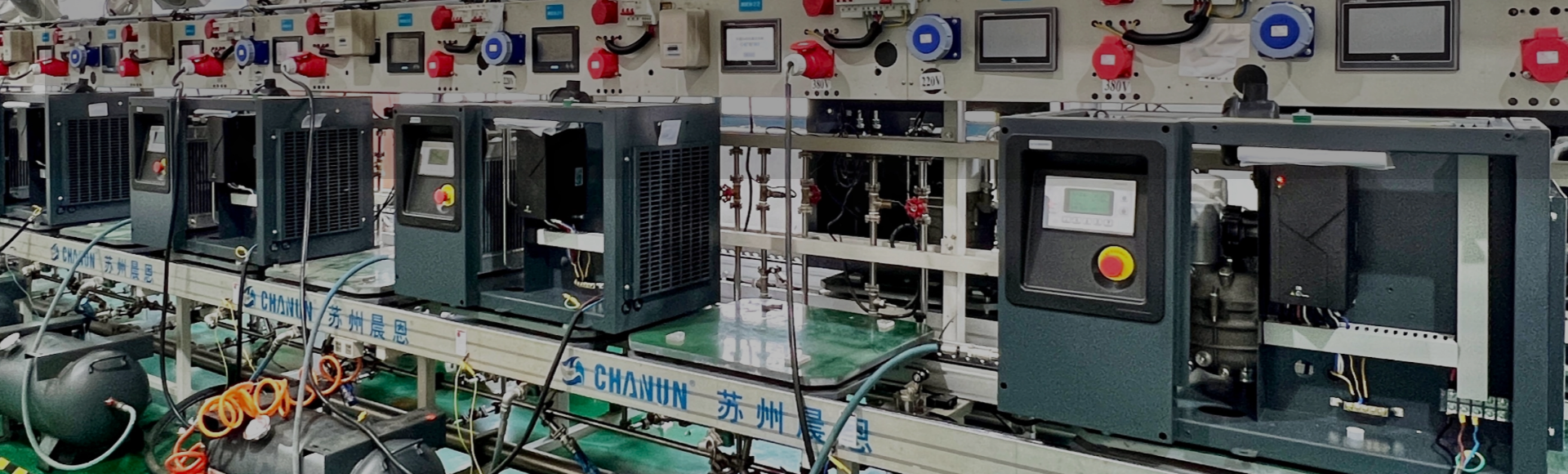

How to Choose the Right Size Oil Lubricated Screw Compressor for Your Needs
Release time:
2024-12-23
How to Choose the Right Size Oil Lubricated Screw Compressor for Your Needs When it comes to selecting the ideal **oil lubricated screw compressor**, making the right choice is crucial for ensuring efficiency, reliability, and cost-effectiveness in your operations. With a myriad of options available, we understand that the process can be overwhelming. This comprehensive guide aims to simplify your
How to Choose the Right Size Oil Lubricated Screw Compressor for Your Needs
When it comes to selecting the ideal **oil lubricated screw compressor**, making the right choice is crucial for ensuring efficiency, reliability, and cost-effectiveness in your operations. With a myriad of options available, we understand that the process can be overwhelming. This comprehensive guide aims to simplify your decision-making by providing essential insights and actionable tips to help you choose the right size compressor for your specific needs.
Table of Contents
1. Understanding Oil Lubricated Screw Compressors
2. Key Factors to Consider When Choosing a Compressor Size
- 2.1 Application Requirements
- 2.2 Pressure Needs
- 2.3 Capacity Requirements
- 2.4 Operating Conditions
3. Different Types of Oil Lubricated Screw Compressors
4. Importance of Energy Efficiency
5. Compressor Lifespan and Maintenance
6. Common Mistakes to Avoid
7. Frequently Asked Questions
8. Conclusion
Understanding Oil Lubricated Screw Compressors
Oil lubricated screw compressors are specifically engineered to compress air and provide a reliable source of compressed air for various industrial applications. These compressors utilize a pair of helical screws, which rotate to compress air efficiently. Oil plays a crucial role in the operation of these compressors, providing lubrication, cooling, and sealing within the compression chamber.
Choosing the correct size is vital not only for efficiency but also for the overall performance of your system. An improperly sized compressor can lead to increased energy consumption, excessive wear and tear, and even system failures.
Key Factors to Consider When Choosing a Compressor Size
When selecting the right size oil lubricated screw compressor, several factors must be considered to ensure it meets your operational needs.
Application Requirements
The first step in choosing the right compressor size is to assess your specific application requirements. Different industries have varying demands, from manufacturing to automotive services. Understanding your workload will help determine the necessary capacity and pressure requirements.
For instance, a manufacturing facility may require continuous operation with a higher air demand, while a smaller workshop might have intermittent usage needs.
Pressure Needs
Next, consider the pressure requirements of your applications. The pressure output of a compressor is measured in pounds per square inch (PSI). Different tools and machines may require different pressure levels to operate efficiently.
Identify the maximum pressure needed for your operations and select a compressor that can meet or exceed this requirement. Keep in mind that operating a compressor at a pressure level significantly higher than necessary can lead to increased energy costs and equipment wear.
Capacity Requirements
Capacity is another critical factor when sizing an oil lubricated screw compressor. The capacity is typically measured in cubic feet per minute (CFM) and indicates how much air the compressor can deliver at a specific pressure. It's essential to calculate your peak air demand to determine your required CFM.
**Use the following formula to estimate your CFM needs:**
1. List all pneumatic tools and equipment used in your operations.
2. Determine the CFM rating for each tool at its required PSI.
3. Add the CFM ratings for all tools to get the total air demand.
This total will guide your selection process, ensuring you choose a compressor with adequate capacity for your operational needs.
Operating Conditions
The operating environment of your compressor also plays a significant role in determining the right size. **Consider the following conditions:**
- **Temperature:** High ambient temperatures may require a compressor with a higher cooling capacity.
- **Humidity:** High humidity levels can affect compressor performance and may require additional filtration systems.
- **Altitude:** If your facility is located at a high altitude, the compressor may need to be sized larger due to thinner air, which could impact the compressor's efficiency.
Evaluating these conditions can help identify any additional features or sizing adjustments needed for optimal performance.
Different Types of Oil Lubricated Screw Compressors
Understanding the various types of oil lubricated screw compressors available can further assist in your decision-making process.
1. **Single-stage Compressors:** These compressors compress air in one stage, making them suitable for lower pressure applications. They are typically more affordable but may not be ideal for high-demand situations.
2. **Two-stage Compressors:** Designed for higher pressure applications, two-stage compressors compress air in two stages, leading to improved efficiency and performance. They are ideal for more demanding industrial applications.
3. **Variable Speed Drive (VSD) Compressors:** These compressors allow for variable output, adjusting the motor speed to match air demand. This results in significant energy savings and reduced wear on the unit.
Each type of compressor has its unique benefits, and understanding these can help you select the right one based on your specific needs.
Importance of Energy Efficiency
Energy efficiency is a critical consideration when selecting an oil lubricated screw compressor. Compressors are often one of the largest consumers of energy in an industrial setting. Choosing an energy-efficient model can lead to substantial cost savings over time.
Look for compressors with high-efficiency ratings, such as those meeting or exceeding the **ISO 8573** air quality standards. Additionally, consider investing in features like variable speed drives and advanced control systems that optimize energy use.
Compressor Lifespan and Maintenance
The longevity of an oil lubricated screw compressor largely depends on proper maintenance. Regular servicing, including oil changes, filter replacements, and general inspections, can extend the life of your compressor and ensure it operates at peak efficiency.
Investing in a high-quality compressor can also contribute to a longer lifespan. Look for models that come with warranties and have a proven track record for reliability.
Common Mistakes to Avoid
Avoiding common pitfalls can save you time and money in the long run. Here are a few mistakes to steer clear of:
- **Underestimating Air Demand:** Failing to accurately assess your air demand can lead to purchasing a compressor that is too small, resulting in inadequate pressure and capacity.
- **Ignoring Future Growth:** Consider your future air demand needs. Selecting a compressor based solely on current requirements may not account for potential growth in your operations.
- **Choosing Price Over Quality:** While it's tempting to go for the lowest-priced option, investing in a higher-quality compressor can lead to lower maintenance costs and increased efficiency over time.
Frequently Asked Questions
1. What is the difference between oil lubricated and oil-free screw compressors?
Oil lubricated compressors use oil to lubricate internal components, while oil-free compressors utilize other methods to eliminate oil contamination, making them suitable for applications requiring clean air.
2. How do I determine the right CFM for my compressor?
Calculate the air demand by listing all tools and their required CFM, then total these values to find your operational needs.
3. Can I install a compressor myself?
While DIY installation is possible, we recommend hiring a professional to ensure proper setup and compliance with safety regulations.
4. What maintenance does an oil lubricated screw compressor require?
Regular maintenance includes oil changes, filter replacements, and routine inspections to ensure optimal performance.
5. How long does an oil lubricated screw compressor typically last?
With proper maintenance, an oil lubricated screw compressor can last anywhere from 10 to 20 years.
Conclusion
Choosing the right size oil lubricated screw compressor is an essential decision that can significantly impact your operational efficiency and cost-effectiveness. By carefully considering factors such as application requirements, pressure and capacity needs, operating conditions, and energy efficiency, you can make an informed choice that meets your specific demands.
Ultimately, investing time in understanding your requirements and avoiding common pitfalls will lead to selecting a compressor that enhances your productivity and ensures long-term reliability. With the right knowledge in hand, you're well on your way to making a choice that aligns perfectly with your needs.
Related news


Service Hotline: 86 13862059949
CONTACT US
Address: No.58, Dongfu Road, Suzhou Industrial Park,Suzhou, jiangsu Province, China.
Tel: (+86) 0512-62529535
WhatsApp/Wechat: (+86) 13862059949
E-mail: jiaqi.wu@chanuncompressor.com
Copyright © CHANUN 2020 All rights reserved 苏ICP备08024400号-4
www.300.cn