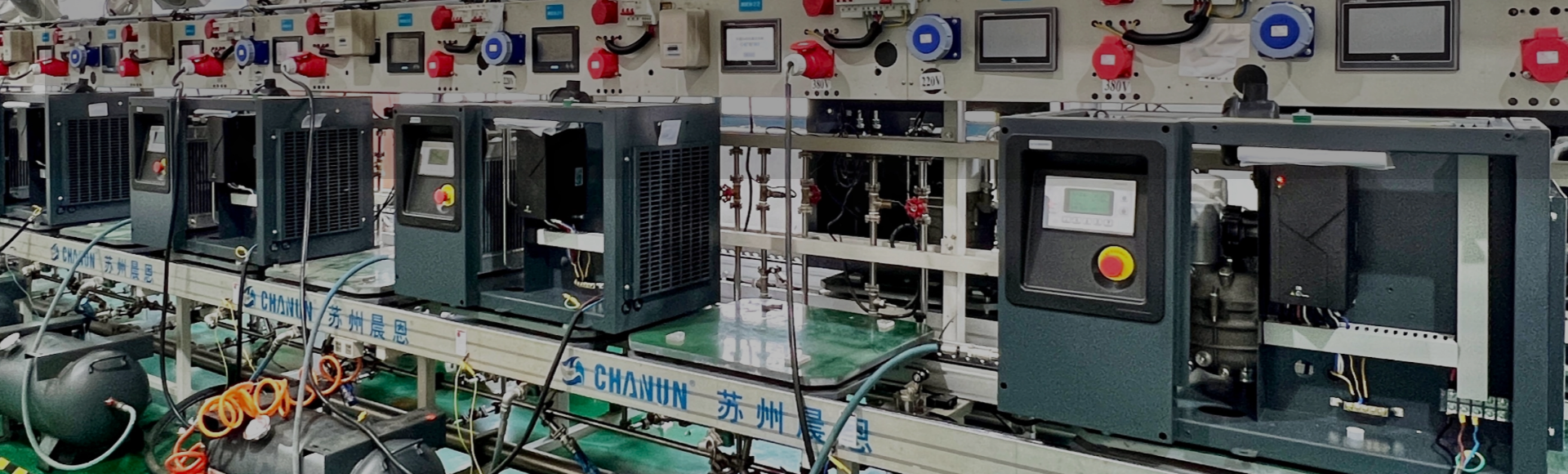

Screw Air Compressors: A Comprehensive Exploration of Their Mechanism and Applications
Release time:
2025-03-05
Screw Air Compressors: A Comprehensive Exploration of Their Mechanism and Applications Table of Contents 1. Introduction to Screw Air Compressors 2. What Are Screw Air Compressors? 3. Mechanism of Screw Air Compressors 3.1 Rotor Design 3.2 Compression Process 3.3 Cooling Systems 4. Advantages of Screw Air Compressors 5
Screw Air Compressors: A Comprehensive Exploration of Their Mechanism and Applications
Table of Contents
- 1. Introduction to Screw Air Compressors
- 2. What Are Screw Air Compressors?
- 3. Mechanism of Screw Air Compressors
- 4. Advantages of Screw Air Compressors
- 5. Applications of Screw Air Compressors
- 6. Maintenance and Servicing
- 7. Common Issues and Solutions
- 8. Conclusion
- 9. FAQs
1. Introduction to Screw Air Compressors
Screw air compressors have revolutionized the way compressed air is generated and utilized across various industries. Their robust design, efficient performance, and reliability make them a preferred choice for many applications. In this article, we will delve deep into the operational principles of screw air compressors, explore their advantages, and examine their application across different sectors.
2. What Are Screw Air Compressors?
Screw air compressors are a type of positive displacement compressor that utilize two intermeshing rotors to compress air. Unlike traditional piston compressors, which rely on the reciprocating motion of pistons, screw compressors operate through a continuous process. This design not only makes them more efficient but also reduces wear and tear, leading to a longer life span and lower maintenance costs.
3. Mechanism of Screw Air Compressors
Understanding the mechanism of screw air compressors is crucial for grasping their efficiency and effectiveness. Here, we will break down the components and functions that contribute to their operation.
3.1 Rotor Design
The rotor design is the heart of a screw air compressor. Typically, there are two rotors: the male rotor and the female rotor. The male rotor has helical grooves that interlock with the female rotor. As the rotors turn, air is drawn into the compressor through an intake port. The unique helical design allows for continuous air intake and minimizes pulsation, ensuring a smooth flow.
3.2 Compression Process
Once the air enters the compressor, it is trapped between the rotors and compressed as the rotors continue to turn. The volume of the air decreases as it moves along the rotors, increasing its pressure. This method of compression allows for a more consistent pressure delivery, which is particularly beneficial in applications requiring steady air supply.
3.3 Cooling Systems
To maintain efficiency and prevent overheating, screw air compressors are equipped with cooling systems. These systems can be air-cooled or water-cooled, depending on the model and application. The cooling process is essential for ensuring the longevity of the compressor and maintaining optimal performance.
4. Advantages of Screw Air Compressors
Screw air compressors offer numerous advantages over traditional types of compressors, making them a preferred choice for many applications:
4.1 Energy Efficiency
Screw compressors are designed to operate continuously, often leading to lower energy consumption. The efficient compression process minimizes energy loss, resulting in significant cost savings over time.
4.2 Reliable Performance
With fewer moving parts compared to piston compressors, screw air compressors experience less wear and tear. This reliability translates into less frequent breakdowns and maintenance needs.
4.3 Compact Design
The compact design of screw compressors allows for easy installation in various settings, from small workshops to large industrial plants, maximizing space efficiency.
4.4 Reduced Noise Levels
Screw compressors typically operate at lower noise levels than traditional compressors. This characteristic makes them suitable for environments where noise reduction is important.
4.5 Continuous Air Supply
The continuous operation of screw air compressors guarantees a steady supply of compressed air, crucial for many industrial applications.
5. Applications of Screw Air Compressors
Screw air compressors have versatile applications across multiple industries. Their adaptability makes them an invaluable asset in various settings.
5.1 Industrial Usage
In manufacturing settings, screw air compressors provide the compressed air necessary for powering pneumatic tools, conveyor systems, and assembly lines. Their efficiency ensures that production processes remain uninterrupted.
5.2 Automotive Industry
The automotive industry relies heavily on compressed air for painting, assembly, and testing. Screw compressors provide consistent pressure for various air tools, enhancing productivity and ensuring high-quality finishes.
5.3 Construction Sector
On construction sites, screw air compressors power tools such as jackhammers and nail guns. Their ability to deliver a constant air supply helps speed up construction projects and improve safety.
6. Maintenance and Servicing
Regular maintenance is essential for the longevity and efficiency of screw air compressors. Key maintenance tasks include:
6.1 Regular Inspection
Conducting periodic inspections of the compressor will help identify wear and potential issues before they escalate. This proactive approach saves time and money in the long run.
6.2 Oil Changes
Screw compressors rely on oil for lubrication and cooling. Regular oil changes are crucial for maintaining optimal performance and preventing overheating.
6.3 Air Filter Replacement
Replacing air filters at regular intervals ensures that dirt and contaminants do not enter the compressor, preserving its efficiency and extending its life span.
7. Common Issues and Solutions
Screw air compressors, like any machinery, may encounter issues over time. Understanding common problems and their solutions is vital for effective operation.
7.1 Low Pressure Output
If a screw compressor fails to deliver the expected air pressure, it may be due to an air leak in the system. Inspecting hoses, connections, and seals for leaks is essential.
7.2 Overheating
Overheating can occur if the cooling system is not functioning properly. Regular checks of the cooling system and oil levels are crucial to prevent this issue.
7.3 Excessive Noise
If a compressor starts to produce excessive noise, it might indicate a mechanical issue. Inspecting the rotors and bearings for wear can help identify the source of the noise.
8. Conclusion
Screw air compressors are essential tools in today’s industrial landscape, known for their efficiency, reliability, and versatility. By understanding their mechanism and applications, businesses can make informed choices that enhance productivity and reduce operational costs. Regular maintenance ensures that these machines continue to operate at peak performance, meeting the demands of various industries.
9. FAQs
9.1 What is a screw air compressor?
A screw air compressor is a type of positive displacement compressor that uses two intermeshing rotors to compress air efficiently.
9.2 What are the advantages of using a screw air compressor?
Screw air compressors offer energy efficiency, reliable performance, a compact design, reduced noise levels, and the ability to provide continuous air supply.
9.3 How often should I perform maintenance on my screw air compressor?
Regular maintenance should be conducted at least once a year, including oil changes, filter replacements, and inspections.
9.4 What industries commonly use screw air compressors?
Screw air compressors are commonly used in manufacturing, automotive, and construction industries, among others.
9.5 Can I use a screw air compressor for small-scale applications?
Yes, screw air compressors are versatile and can be effectively used for both large industrial applications and small-scale needs.
Related news


Service Hotline: 86 13862059949
CONTACT US
Address: No.58, Dongfu Road, Suzhou Industrial Park,Suzhou, jiangsu Province, China.
Tel: (+86) 0512-62529535
WhatsApp/Wechat: (+86) 13862059949
E-mail: jiaqi.wu@chanuncompressor.com
Copyright © CHANUN 2020 All rights reserved 苏ICP备08024400号-4
www.300.cn