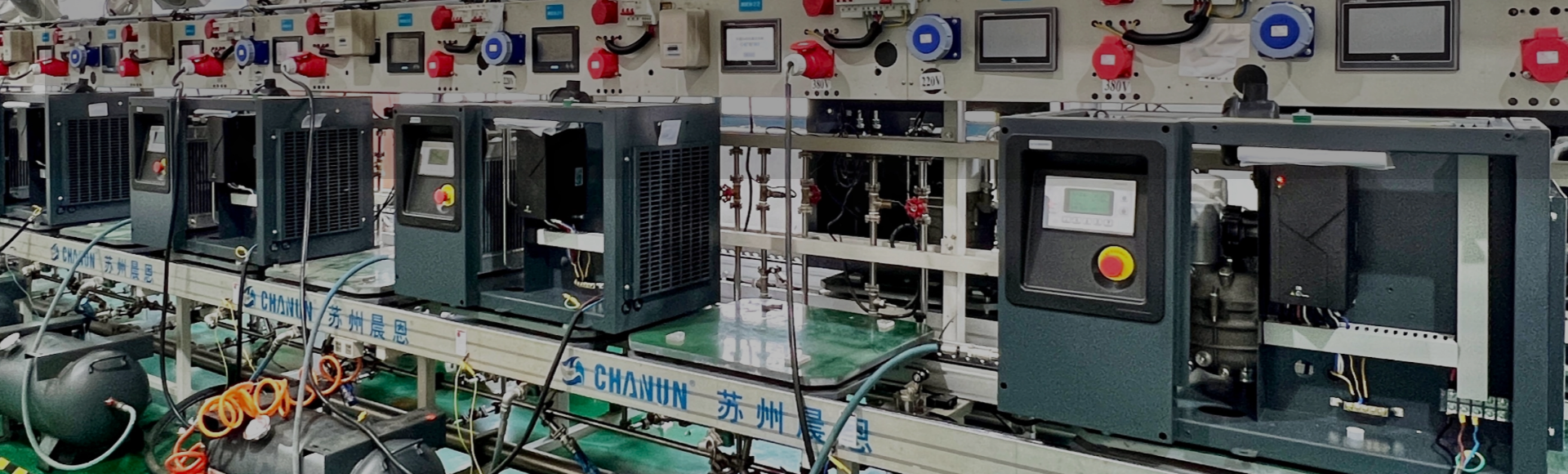

The Essential Guide to Air Compressors in Automotive Brake Systems
Release time:
2026-07-02
Air compressors play a crucial role in the automotive industry, particularly in the realm of brake systems. These machines are designed to convert power into potential energy stored in compressed air. In automotive applications, air compressors are essential for various functions, including powering pneumatic tools, inflating tires, and most importantly, actuating brake systems. One of the key fun
One of the key functions of an air compressor in brake systems is to provide the necessary pressure to operate air brake systems. In heavy-duty vehicles, air brakes are preferred over hydraulic brakes due to their ability to provide more braking force and reliability under heavy loads. The air compressor compresses ambient air and delivers it to the brake system, where it is used to engage and disengage the brakes as needed.
Air compressors come in different types, including reciprocating compressors, rotary screw compressors, and scroll compressors. Each type has its own advantages and disadvantages. For instance, reciprocating compressors are known for their durability and ability to produce high pressure, making them a popular choice in heavy-duty vehicles. On the other hand, rotary screw compressors are more efficient in continuous operation, often found in commercial applications.
When selecting an air compressor for automotive brake systems, there are several factors to consider. The compressor's capacity should match the requirements of the brake system, ensuring that sufficient air pressure is available for optimal performance. Additionally, the compressor should be compatible with the vehicle's engine and power supply. Regular maintenance is also vital to ensure the longevity and efficiency of the air compressor. This includes checking for air leaks, maintaining proper lubrication, and ensuring that the air filter is clean.
Proper installation and maintenance of air compressors can significantly enhance the safety and performance of automotive brake systems. A well-functioning compressor will ensure that air pressure is consistently available, reducing the risk of brake failure and improving overall vehicle safety.
In conclusion, air compressors are indispensable in the automotive industry, especially when it comes to brake systems. Understanding how they work and the factors that influence their performance can greatly impact the safety and efficiency of vehicles. Whether you are involved in vehicle maintenance or manufacturing, having a solid understanding of air compressors is essential for ensuring optimal performance and reliability in brake systems.


Service Hotline: 86 13862059949
CONTACT US
Address: No.58, Dongfu Road, Suzhou Industrial Park,Suzhou, jiangsu Province, China.
Tel: (+86) 0512-62529535
WhatsApp/Wechat: (+86) 13862059949
E-mail: jiaqi.wu@chanuncompressor.com
Copyright © CHANUN 2020 All rights reserved 苏ICP备08024400号-4
www.300.cn