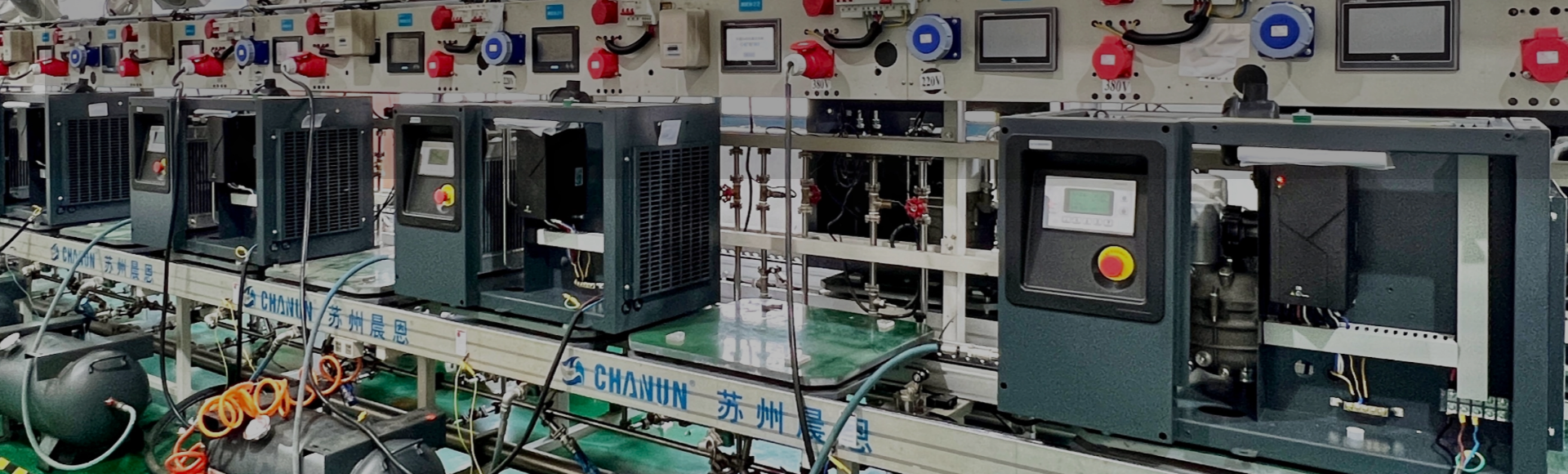

What Makes a Screw Air Compressor Ideal for Industrial Use?
Release time:
2026-09-03
What Makes a Screw Air Compressor Ideal for Industrial Use? Screw air compressors have become an essential component in industrial operations, providing reliable, efficient, and high-performance solutions for various applications. In this article, we will delve into the key features and benefits of screw air compressors, exploring why they are the preferred choice for many industries. Understandi
What Makes a Screw Air Compressor Ideal for Industrial Use?
Screw air compressors have become an essential component in industrial operations, providing reliable, efficient, and high-performance solutions for various applications. In this article, we will delve into the key features and benefits of screw air compressors, exploring why they are the preferred choice for many industries.
Understanding Screw Air Compressors
Screw air compressors utilize a rotary screw mechanism to compress air, offering several advantages over traditional piston compressors. The dual-screw design ensures a continuous flow of compressed air, making these compressors particularly suitable for demanding industrial applications.
The Mechanics of Screw Air Compressors
The core of a screw air compressor consists of two helical screws that rotate against each other. As they turn, air is drawn in, compressed, and discharged efficiently. This design minimizes pulsation, resulting in smoother and more consistent airflow.
Key Components of a Screw Air Compressor
1. **Screw Elements**: The heart of the compressor, where air compression occurs.
2. **Drive Motor**: Powers the screw elements, usually utilizing an electric motor.
3. **Air Receiver Tank**: Stores compressed air, providing a buffer to meet demand fluctuations.
4. **Cooling System**: Maintains optimal operating temperatures, enhancing efficiency and longevity.
5. **Control System**: Manages the compressor's operations, optimizing performance based on usage needs.
Benefits of Screw Air Compressors for Industrial Applications
Screw air compressors stand out for their numerous benefits, making them ideal for various industrial applications. Below, we outline the primary advantages that contribute to their popularity.
1. Energy Efficiency
Screw air compressors are designed for maximum energy efficiency. They operate at lower temperatures and utilize less power compared to traditional compressors. The continuous operation of screw compressors, coupled with advanced control systems, enables businesses to significantly reduce their energy costs over time.
2. High Reliability and Durability
Built with robust materials and a simplified design, screw air compressors are less prone to wear and tear. Their low maintenance requirements and longer service life make them a reliable choice for industries that rely on constant air supply without interruptions.
3. Consistent Air Delivery
The rotary mechanism allows for a steady and uninterrupted supply of compressed air. This consistent airflow is crucial in industries such as manufacturing and automotive, where fluctuations in air pressure can lead to operational inefficiencies.
4. Compact Design
Screw compressors typically feature a compact design, allowing them to fit into smaller spaces. This is particularly advantageous for facilities with limited floor space, enabling easier installation and integration into existing systems.
Common Applications of Screw Air Compressors
Screw air compressors serve a wide range of industries due to their versatility. Here are some common applications:
1. Manufacturing
In the manufacturing sector, screw air compressors are essential for powering pneumatic tools, material handling systems, and assembly lines. Their ability to provide a stable air supply ensures seamless operations.
2. Automotive
Automotive industries utilize screw air compressors for painting, painting booths, and pneumatic equipment. The efficiency and reliability of these compressors help maintain high production standards.
3. Food and Beverage
In food and beverage processing, maintaining strict hygiene standards is paramount. Screw air compressors can provide clean, oil-free air, making them ideal for applications like packaging and bottling.
4. Pharmaceuticals
The pharmaceutical industry demands precision and cleanliness. Screw air compressors can deliver filtered and dry air, ensuring product integrity and compliance with stringent regulations.
5. Construction
On construction sites, screw air compressors are utilized to power tools, operate pneumatic machinery, and provide essential air supply for various tasks. Their mobility and reliability make them a preferred choice.
Maintenance Tips for Screw Air Compressors
To ensure optimal performance and longevity of screw air compressors, regular maintenance is crucial. Here are some essential maintenance tips:
1. Regular Inspections
Conduct routine inspections to check for any signs of wear, leaks, or other issues. Identifying problems early can prevent costly repairs and downtime.
2. Change Oil Regularly
Oil lubricates the screw elements, reducing friction and wear. Regular oil changes, according to the manufacturer’s recommendations, contribute to the compressor's efficiency.
3. Clean or Replace Filters
Air filters should be cleaned or replaced regularly to maintain optimal airflow and prevent contaminants from entering the system.
4. Monitor Operating Conditions
Keep an eye on temperature and pressure gauges to ensure the compressor is operating within the optimal range. Any deviations can indicate potential issues.
Choosing the Right Screw Air Compressor for Your Needs
Selecting the appropriate screw air compressor involves several considerations. Here are key factors to keep in mind:
1. Capacity Requirements
Consider your facility's air demand. Evaluate the volume of compressed air needed to determine the compressor's capacity in cubic feet per minute (CFM).
2. Power Source
Screw air compressors can be powered by electricity or diesel, depending on your operational needs and location. Evaluate which power source aligns best with your setup.
3. Operating Pressure
Determine the required operating pressure for your applications. Screw compressors are available in various pressure ratings, so choose one that meets your specific needs.
4. Noise Levels
Noise can be a significant concern in certain industries. Look for models with noise-reduction features if sound levels are a priority in your workplace.
FAQs About Screw Air Compressors
1. What is the lifespan of a screw air compressor?
The lifespan of a screw air compressor can range from 10 to 15 years with proper maintenance and care.
2. How often should I perform maintenance on my screw air compressor?
Regular maintenance should be conducted at least once every six months, with more frequent checks for high-use applications.
3. Are screw air compressors suitable for outdoor use?
While some screw air compressors are designed for outdoor use, it’s essential to choose models that are weatherproof and can withstand environmental conditions.
4. Can I use a screw air compressor for multiple applications?
Yes, screw air compressors are versatile and can be used for various applications across different industries.
5. What should I do if my compressor is making unusual noises?
Unusual noises may indicate mechanical issues. It's advisable to shut down the compressor and consult a professional for inspection and maintenance.
Conclusion
Screw air compressors hold a significant place in industrial applications due to their efficiency, reliability, and versatility. Their ability to deliver consistent and high-quality compressed air makes them indispensable across various sectors. By understanding their mechanics, advantages, and maintenance needs, businesses can optimize their operations and enhance productivity. Investing in a screw air compressor not only meets current demands but also paves the way for future growth and efficiency.


Service Hotline: 86 13862059949
CONTACT US
Address: No.58, Dongfu Road, Suzhou Industrial Park,Suzhou, jiangsu Province, China.
Tel: (+86) 0512-62529535
WhatsApp/Wechat: (+86) 13862059949
E-mail: jiaqi.wu@chanuncompressor.com
Copyright © CHANUN 2020 All rights reserved 苏ICP备08024400号-4
www.300.cn